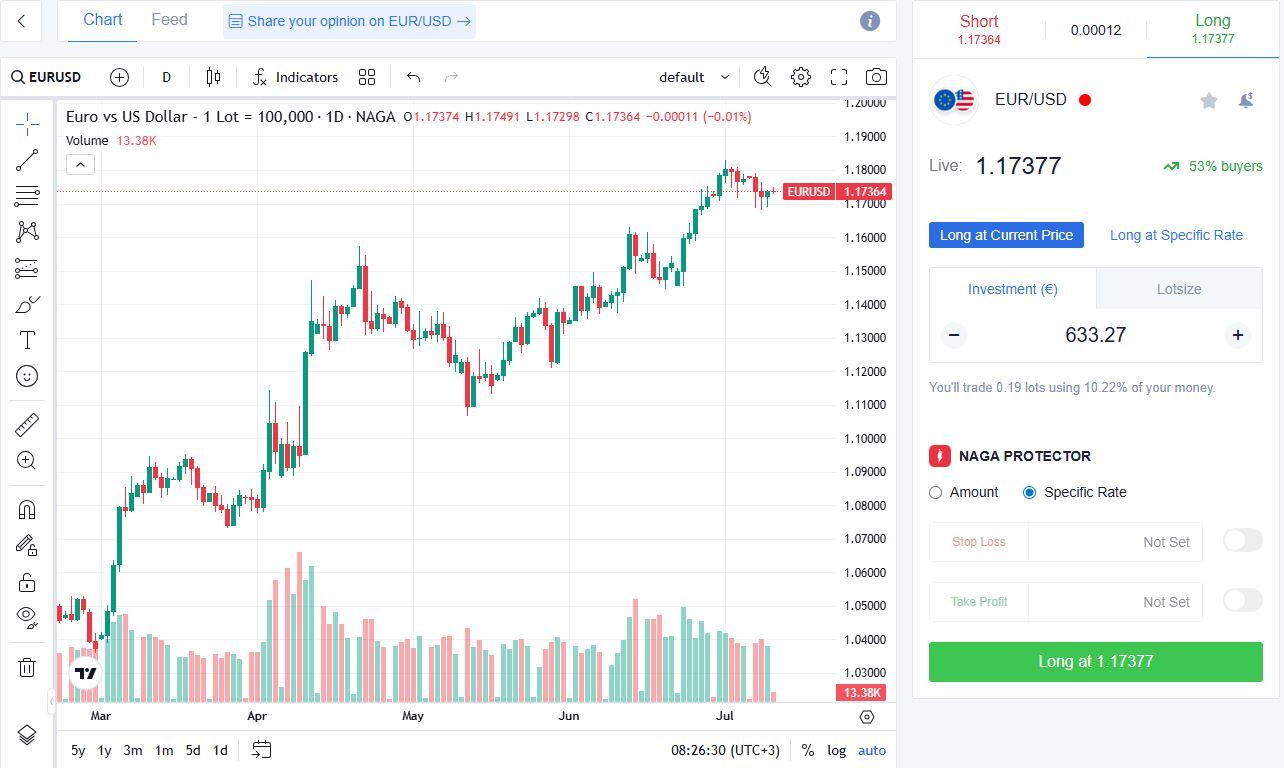
Forex trading, also known as foreign exchange trading, is the process of buying one currency while simultaneously selling another. The forex market is used by banks, businesses, financial institutions, governments, and individual traders around the world. Currency prices constantly change because of economic conditions, interest rates, inflation, global events, and market demand.
Unlike many traditional financial markets, the forex market operates across international trading sessions, allowing participants to trade currencies during most hours of the business week. Popular currency pairs include EUR/USD, GBP/USD, USD/JPY, and USD/CHF. For beginners, understanding how currency pairs work and why their prices change is an important first step before considering forex trading.
How Does Forex Trading Work?
Forex trading takes place through currency pairs. In a pair such as EUR/USD, EUR is the base currency and USD is the quote currency. The exchange rate shows how much of the quote currency is required to purchase one unit of the base currency.
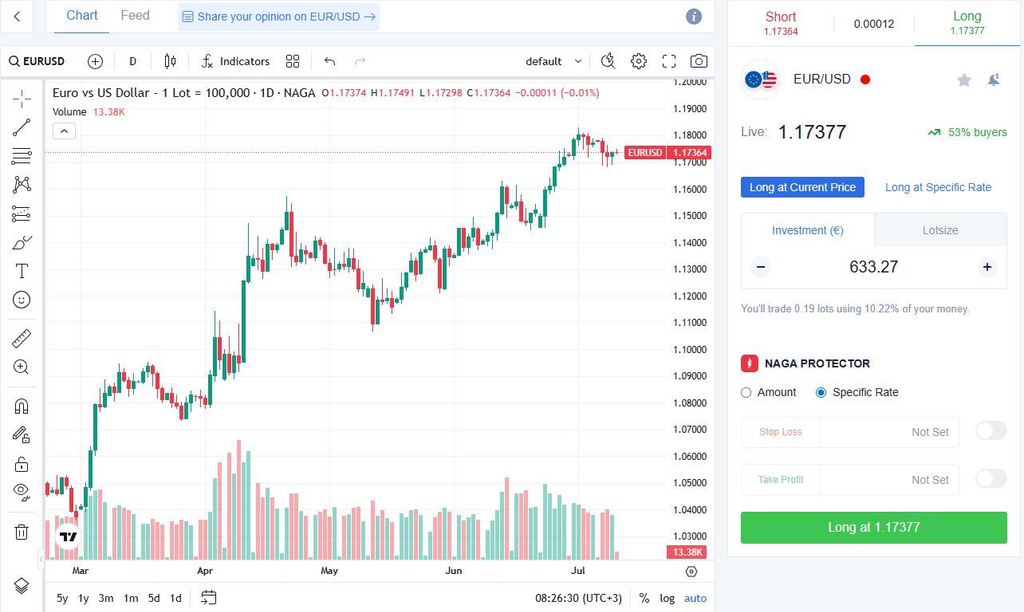
For example, if EUR/USD is quoted at 1.1000, it means one euro is worth 1.10 US dollars. If a trader believes the euro will strengthen against the dollar, they may consider buying the pair. If they expect the euro to weaken, they may consider selling it, depending on the trading method and market access available to them.
Forex traders generally attempt to benefit from changes in exchange rates. However, currency prices can move in either direction, meaning a trading position can result in either a gain or a loss.
Major Factors That Affect Forex Prices
Several factors can influence currency values. Interest rates are particularly important because changes in central-bank policy can affect the attractiveness of holding a particular currency. Traders often follow decisions and statements from major central banks when analyzing the forex market.
Economic indicators can also have a significant impact. Employment figures, inflation data, gross domestic product, consumer spending, and manufacturing reports can provide information about the condition of an economy.
Political developments and geopolitical events may also influence currencies. Unexpected events can increase market volatility and cause exchange rates to move quickly.
Market sentiment is another factor. When traders become more optimistic or concerned about economic conditions, demand for certain currencies can change. Because many factors interact at the same time, predicting short-term currency movements can be difficult.
Popular Forex Trading Strategies
Forex traders use different strategies depending on their goals and timeframes. Day trading involves opening and closing positions during the same trading session. Traders generally focus on short-term price movements and may use technical charts to identify potential setups.
Swing trading involves holding positions for several days or weeks. Traders may attempt to capture larger price movements while using technical and fundamental analysis.
Scalping is a very short-term approach in which traders may make numerous trades during a session to target relatively small price movements. Because of the frequency of transactions, spreads, commissions, and execution speed can become important considerations.
Some traders also use fundamental analysis. This involves studying economic data, central-bank policies, interest rates, and other factors that could influence currency values. Others primarily use technical analysis, which examines price charts, trends, support and resistance levels, and indicators.
Risks of Forex Trading and Tips for Beginners
Forex trading carries substantial risk, particularly when leverage is involved. Leverage allows traders to control a larger position with a smaller amount of capital, but it can also increase losses. A relatively small movement in the market can therefore have a significant effect on a leveraged position.
Beginners should learn basic concepts such as pips, spreads, margin, leverage, currency pairs, market orders, and stop-loss orders before trading with real money. A demo account can provide an opportunity to practice trading without immediately risking actual capital.
Risk management is another important consideration. Traders may establish a maximum amount they are willing to risk on an individual trade and use stop-loss orders according to their strategy. Keeping a trading journal can also help identify mistakes and improve consistency.
Choosing a properly regulated broker and understanding its fees, trading conditions, withdrawal policies, and available instruments is also important. Forex trading should not be treated as a guaranteed method of making money. It requires education, discipline, patience, and an understanding that losses are possible.
For anyone interested in forex, building knowledge and practicing with a demo account can be useful steps before considering live trading. The goal should be to understand the market and its risks rather than simply searching for quick profits.